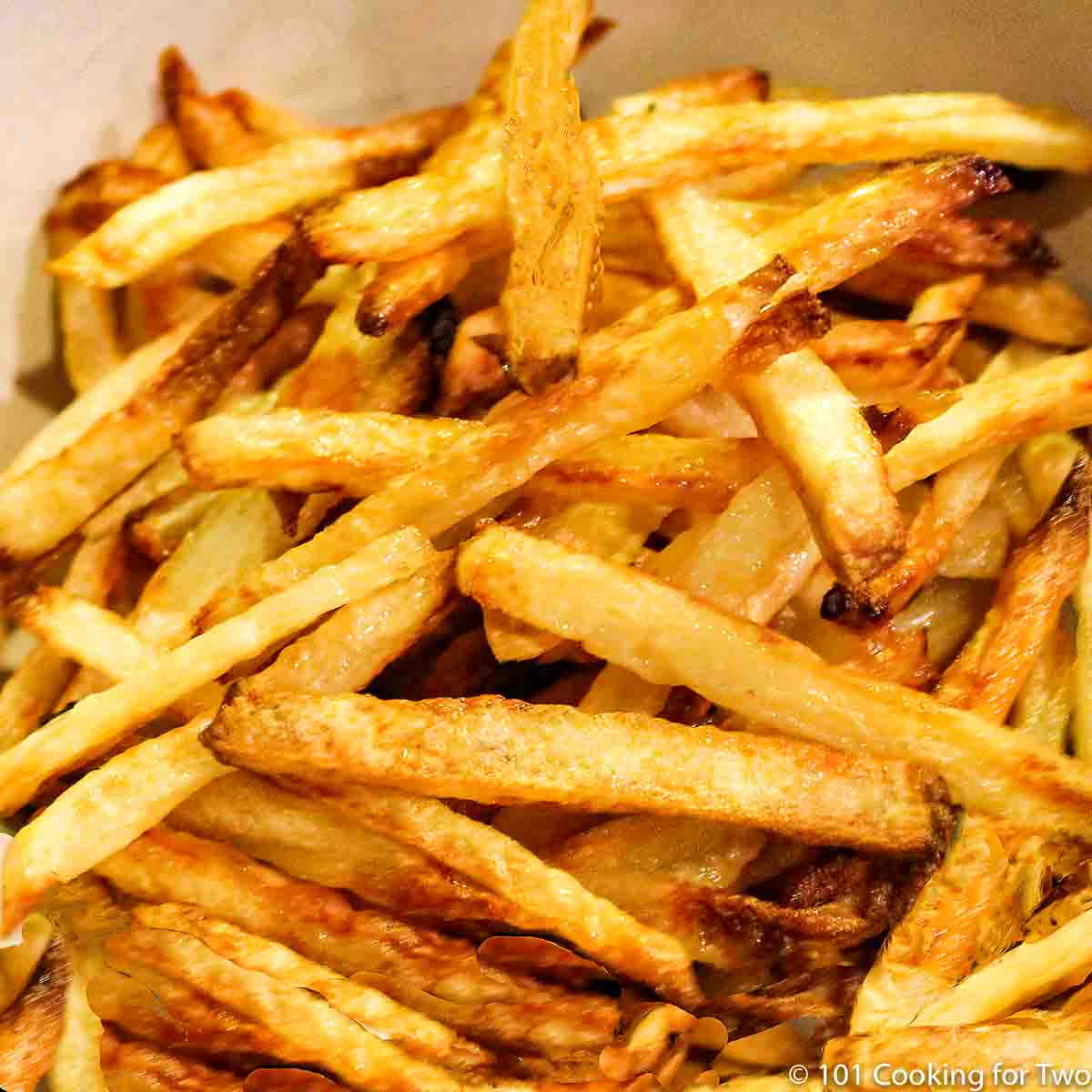
Fresh or Frozen: How to Bake Crispy French Fries in Any Oven
There's nothing quite like the irresistible crunch of a perfectly cooked French fry – crispy on the outside, fluffy on the inside, and seasoned to perfection. While deep-frying often comes to mind, achieving that golden-brown perfection with
baked french fries is not only healthier and more economical but entirely within reach for any home cook, regardless of your oven type or whether you're starting with fresh potatoes or a bag from the freezer. Forget soggy, limp oven fries; this comprehensive guide will equip you with the secrets to consistently bake crispy, restaurant-quality French fries every single time.
The appeal of homemade baked fries extends beyond just health benefits. Making them at home saves money compared to store-bought options, and you have complete control over ingredients and seasonings, allowing for endless customization. The journey to the ultimate crispy baked fry might seem daunting, but it hinges on a few fundamental principles that, once mastered, will revolutionize your potato game.
The Science of Crisp: Key Principles for Perfect Baked French Fries
Creating truly crispy
baked french fries isn't just about throwing potatoes in the oven. It's about understanding the science behind the crunch. Several factors work in harmony to transform humble spuds into golden, delectable delights.
High Heat is Non-Negotiable
The cornerstone of crispy fries, whether baked or fried, is high heat. Baking at a scorching 425°F is crucial because it rapidly dehydrates the potato's exterior, forming a crisp crust while simultaneously cooking the interior until tender. Starting with a cold oven means the potatoes will steam rather than crisp, leading to a limp, unappetizing result. Always ensure your oven is fully preheated to the target temperature before your fries even enter. Convection ovens are a fantastic advantage here, as their circulating hot air accelerates the crisping process and often eliminates the need for flipping. However, a regular oven will yield equally impressive results with just a little more time.
Airflow and Single Layer Spacing
Moisture is the enemy of crispiness. To combat steam and promote even browning, proper airflow is paramount. Baking your fries on a wire rack set inside a baking sheet allows hot air to circulate completely around each fry. This ensures all sides get equal exposure to the heat, leading to consistent crisping without the need for constant turning. If you don't have a rack, you can use parchment paper on a baking sheet, but be prepared to flip your fries halfway through baking to achieve even crispness on both sides. Crucially, always arrange your fries in a single layer without overcrowding. Overlapping fries trap steam, creating a soggy mess instead of a satisfying crunch. Give them space to breathe and brown!
Managing Potato Starches and Sugars
The type of potato and how it's prepared significantly impacts the final texture. Russet potatoes are the classic choice for fries due to their high starch content, which helps achieve that desirable fluffy interior and crispy exterior. If using fresh-cut Russets, an essential step is soaking them in cold water for 20-30 minutes. This process removes excess surface starch, which can inhibit crisping and lead to a gummy texture. After soaking, it is absolutely critical to dry them *very thoroughly* with paper towels or a clean kitchen towel. Any residual moisture will steam the fries instead of allowing them to crisp.
For an extra touch, some seasoned fry-bakers advocate for a pinch of sugar. While not always necessary, a small amount of sugar, either mixed with the oil or added to the soaking water, can help the potatoes release their internal juices, contributing to a deeper golden color and an even crisper finish. For more in-depth techniques on preparing fresh potatoes for the ultimate crunch, explore methods like those discussed in
Unlock Perfectly Crispy Baked French Fries: High Heat & Soaking Secrets.
Fresh vs. Frozen: Tailoring Your Approach
Whether you opt for fresh-cut potatoes or the convenience of frozen fries, the good news is that both can achieve magnificent crispness in your oven. The key lies in understanding their unique starting points.
Crafting Crispy Fresh-Cut Baked French Fries
1.
Potato Selection: As mentioned, Russet potatoes are ideal. Peel them for a classic look, or leave the skins on for a rustic touch. Yukon Golds are another excellent choice, offering a creamier interior and often requiring no peeling.
2.
Cutting: Uniformity is key for even cooking. Aim for ¼ to ⅜ inch thick fries. You can make three lengthwise cuts on a whole potato, then slice each resulting "oval" into three strips. A mandoline can help achieve perfect consistency, but always use its safety guard.
3.
Soak & Dry: After cutting, soak the fries in cold water for 20-30 minutes. This step is non-negotiable for fresh potatoes. Rinse them, then spread them out and dry them meticulously with paper towels. You want them as dry as possible.
4.
Oil Coating: Toss the thoroughly dried fries with a light coating of neutral oil (vegetable, canola, or light olive oil works well). This helps conduct heat and promotes browning.
Perfecting Frozen Baked French Fries
The beauty of frozen fries is their convenience, and achieving crispiness is surprisingly simple.
1.
No Thawing Allowed: This is the golden rule for frozen fries. Do NOT thaw them. They must go straight from the freezer to the hot oven. Thawing introduces excess moisture, which will lead to a soggy texture.
2.
Light Oil Coating: While many frozen fries come pre-oiled, an additional light toss with oil (the same types as fresh-cut) can significantly enhance crisping and browning. This thin layer acts as a heat conductor and barrier.
3.
Extra Time: Frozen fries generally need a few extra minutes in the oven compared to fresh-cut, as they start at a much colder temperature. Be patient and bake until deeply golden and crispy.
Step-by-Step Guide to Crispy Baked French Fries
Ready to bake? Follow these straightforward steps for irresistible
baked french fries every time.
1. Preheat the Oven and Prep Your Tray
This step is critical. Always preheat your oven to 425°F. If your oven has a convection setting, use it! Line a large baking sheet with a wire rack and lightly coat the rack with cooking spray or oil to prevent sticking. If you don't have a rack, line the baking sheet with parchment paper.
2. Prep Fresh-Cut Fries (Skip for Frozen)
If using fresh potatoes, scrub them clean. Peel Russets if desired, then cut them into uniform ¼-⅜ inch strips. Submerge them in cold water for 20-30 minutes. Rinse thoroughly, then dry them absolutely completely using paper towels or a clean cloth. This thorough drying is key to crispiness.
3. Coat with Oil and Season
Place your prepared fresh-cut fries (or frozen fries straight from the freezer – do not thaw!) into a large bowl. Drizzle with 1-2 tablespoons of a neutral oil like vegetable, canola, or light olive oil. Toss well to ensure every fry has a light, even coating. Season generously with coarse salt, black pepper, and any other spices you love (garlic powder, paprika, onion powder work wonderfully). A pinch of sugar can also be added for extra browning.
4. Spread and Arrange
Arrange the seasoned fries on your prepared baking rack (or parchment-lined sheet) in a single layer. Ensure they have plenty of space and do not overlap. Overcrowding is a common mistake that leads to steaming instead of crisping. If you have too many fries, bake them in batches.
5. Bake Until Crispy
Bake at 425°F.
* For convection ovens: Bake for approximately 25-30 minutes, or until deep golden brown and crispy. No flipping is usually required!
* For regular ovens (with a rack): Bake for 30-40 minutes, checking at the 20-minute mark.
* For regular ovens (with parchment, no rack): Bake for 35-45 minutes, flipping them halfway through (around 20 minutes) to ensure even browning.
Frozen fries may require a few extra minutes – continue baking until they reach your desired level of crispiness. Thicker fries will also need more time. The goal is a deep golden color and a distinct crunch.
Once out of the oven, immediately taste and season again with a sprinkle of salt or your favorite spice blend while they're hot. Serve them up with your preferred dipping sauce for an irresistible treat. For additional expert tips and detailed insights on achieving the crispiest results, check out
Extra Crispy Baked French Fries: Fresh, Frozen, & Oven Secrets.
Troubleshooting & Expert Tips
Even with the best instructions, sometimes things don't go perfectly. Here are solutions to common issues and extra tips for mastery:
*
My fries are limp! This is usually due to too much moisture, overcrowding on the baking sheet, or not enough heat. Ensure fries are thoroughly dried (for fresh), not thawed (for frozen), spaced out in a single layer, and baked at the correct high temperature.
*
Uneven Browning: If using a regular oven without a rack, remember to flip your fries halfway through. Also, be aware that ovens often have hot spots; rotating your baking sheet once or twice can help.
*
Seasoning Creativity: Don't stop at salt! Experiment with garlic powder, onion powder, paprika (smoked or sweet), chili powder, dried herbs like rosemary or thyme, or even a dash of cayenne for a spicy kick. Add these before baking, and a final sprinkle of fresh herbs or flaky sea salt after baking.
*
Storage & Reheating: Baked fries are best enjoyed immediately. If you have leftovers, reheat them in a hot oven (or air fryer) for a few minutes to restore some crispness, rather than microwaving.
Conclusion
Baking truly crispy
baked french fries at home is an incredibly rewarding endeavor that delivers delicious results without the mess or extra fat of deep-frying. By understanding the critical role of high heat, good airflow, proper potato preparation (especially thorough drying for fresh cuts), and resisting the urge to overcrowd your baking sheet, you can consistently create fries that rival your favorite takeout. Whether you choose the rustic charm of fresh-cut Russets or the ultimate convenience of frozen, these techniques empower you to enjoy perfectly golden, satisfyingly crunchy fries from any oven. So go ahead, preheat that oven, grab your potatoes, and get ready to enjoy the best homemade baked French fries you've ever tasted!