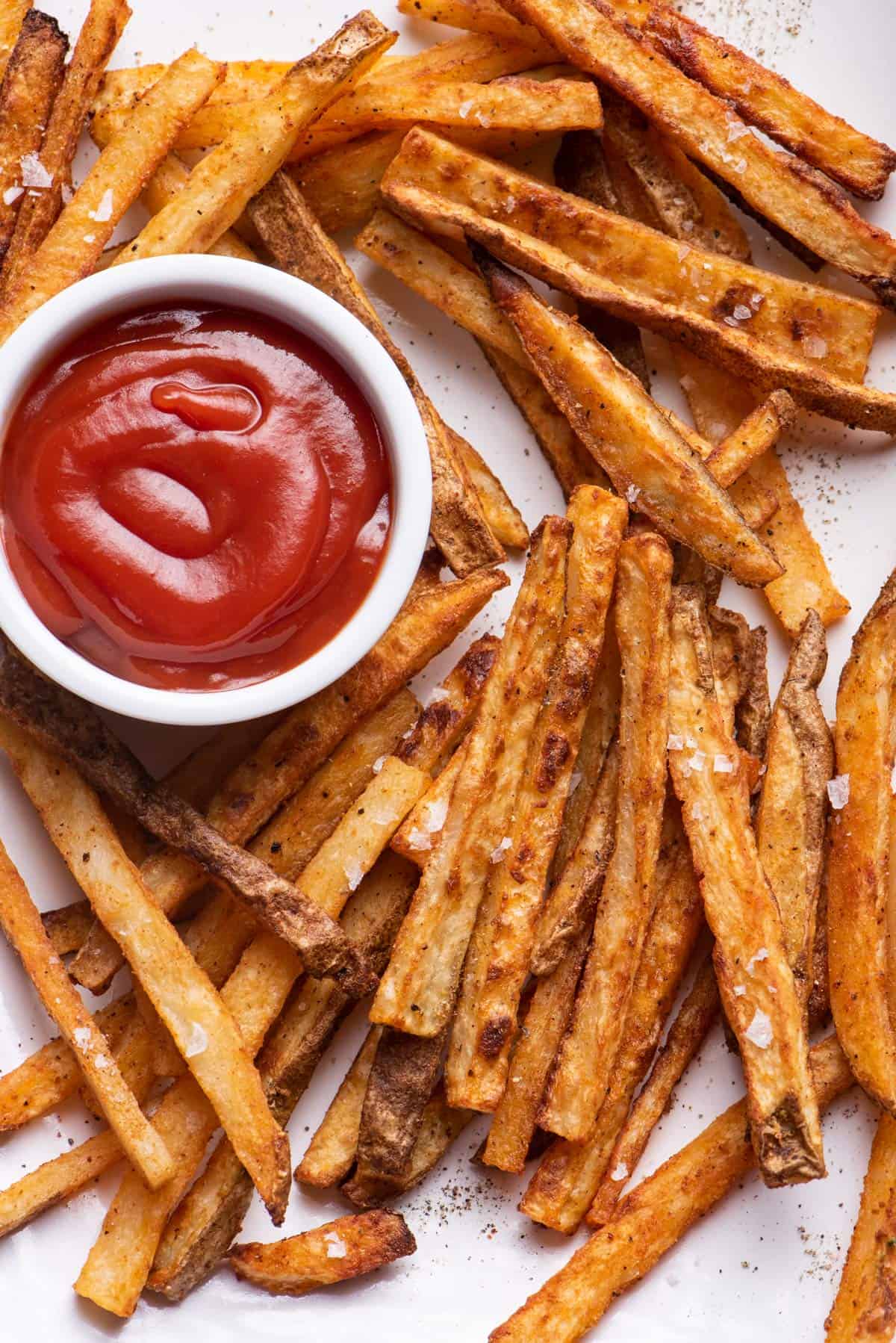
Unlock the Secret to Extra Crispy Baked French Fries: Fresh, Frozen, & Oven Secrets Revealed
Forget everything you thought you knew about homemade French fries! For too long, the idea of truly crispy, golden-brown fries has been synonymous with deep-frying. But what if we told you that restaurant-quality, extra crispy baked french fries are not only possible but surprisingly easy to achieve right in your own oven? Imagine biting into a fry that's fluffy on the inside, cracklingly crisp on the outside, and bursting with potato flavor – all without the mess, calories, and cost of a deep fryer. This comprehensive guide will transform your perception of oven fries, revealing the essential techniques and insider secrets, whether you're starting with fresh potatoes or a bag from the freezer.
The Quest for Crispy: Why Baked Fries Can Rival Deep-Fried
The allure of deep-fried fries is undeniable, but the health implications and cleanup often deter home cooks. The good news? With the right methodology, oven-baked fries can stand shoulder-to-shoulder with their deep-fried cousins, offering a healthier, more economical, and equally satisfying experience. The key lies in understanding the science behind crispiness and harnessing your oven's power effectively.
Understanding the Science of Crispiness
Achieving that coveted crunch isn't magic; it's a careful balance of heat, moisture, and starch. When potatoes are cooked, two main things happen: their starches gelatinize (making them tender), and their surface moisture evaporates. For crispiness, we need aggressive moisture removal and sufficient heat for the Maillard reaction (browning and flavor development). Our goal is to create an environment that mimics the rapid, all-encompassing heat of hot oil, but with hot air instead.
- High Heat: Essential for quickly evaporating surface moisture and promoting browning.
- Moisture Control: Minimizing external moisture on the fries before baking is paramount.
- Starch Management: For fresh potatoes, removing excess surface starch prevents gumminess and encourages crisping.
- Airflow: Ensures even heat distribution around each fry, preventing steaming and promoting consistent crispiness.
Mastering Fresh-Cut Baked French Fries
Starting with fresh potatoes offers unparalleled flavor and texture. While it requires a few extra steps, the payoff is a batch of baked french fries that tastes truly homemade and superior. It's an art form, but one that's easily mastered.
Choosing Your Spud: Russets vs. Yukon Golds
The type of potato you choose significantly impacts the final texture of your fries:
- Russet Potatoes: These are the classic choice for French fries, and for good reason. Their high starch content and low moisture make them ideal for achieving a fluffy interior and a super crispy exterior when baked. For best results, peeling Russets is recommended to prevent a tougher skin.
- Yukon Gold Potatoes: A fantastic alternative offering a creamier, slightly denser texture inside. They have less starch than Russets but still crisp up beautifully. A bonus with Yukon Golds is that their thin skin doesn't usually require peeling, saving you prep time.
The Crucial Prep: Cutting, Soaking, and Drying
This is where many home cooks falter, but these steps are non-negotiable for truly crispy baked french fries:
- Cutting for Consistency: Uniformity is key for even cooking. Aim for ¼ to ⅜ inch thick strips. A good method is to cut the potato lengthwise into 3-4 ovals, then slice each oval into 3-4 strips. A mandoline can help achieve perfectly consistent cuts, but always follow safety instructions carefully.
- The Power of Soaking: Once cut, soak your fresh fries in a bowl of cold water for at least 20-30 minutes, or even up to an hour. This step draws out excess surface starch, which can lead to soggy or gummy fries. Think of it as giving your potatoes a pre-bake cleanse. Learn more about the science behind high heat and soaking for perfect fries here.
- Rinse and Dry, Dry, Dry: After soaking, rinse the fries under cold water until the water runs clear. Then, and this is perhaps the most critical step, dry them very thoroughly. Use paper towels or a clean kitchen towel to pat them completely dry. Any residual moisture will steam rather than crisp in the oven, leaving you with limp fries. Do not skip or rush this!
Effortless Crispy: Baking Frozen French Fries
Sometimes, convenience is king, and that's where frozen fries shine. With the right technique, you can transform a bag of pre-cut, pre-blanched frozen fries into a golden, crispy delight that far surpasses the box instructions.
From Freezer to Fantastic: The Frozen Fry Method
The beauty of frozen fries is their simplicity. There's no soaking or extensive drying required, making them perfect for a quick snack or side. However, there are still crucial steps to ensure maximum crispiness:
- No Thawing Allowed: This is paramount. Frozen fries must go directly from the freezer to the hot oven. Thawing them will introduce excess moisture and lead to a soggy result.
- A Light Coat of Oil: Even though many frozen fries are pre-fried, a light toss with a neutral oil (like vegetable, canola, or a mild olive oil) will significantly aid in browning and crisping.
- Quick to the Oven: Once tossed with oil, get them onto the baking sheet and into the preheated oven as quickly as possible to maintain their frozen state until cooking begins.
Oven Secrets for Unbeatable Crispiness
Your oven is your most powerful tool in the quest for crispy baked french fries. Understanding how to leverage its capabilities will elevate your fry game considerably.
Temperature is Key: The 425°F Sweet Spot
For crispy fries, you need high heat. A temperature of 425°F (220°C) is ideal. This high temperature ensures that the surface moisture rapidly evaporates, creating a dry exterior that can then crisp and brown. Starting with a fully preheated oven is non-negotiable; putting fries into a cold or warming oven will only steam them, resulting in a soggy outcome.
Convection vs. Conventional: Airflow is Your Friend
Your oven type can influence baking time and crispness:
- Convection Oven: If you have a convection setting, use it! Convection circulates hot air more efficiently, providing an even, all-around crisp without the need for flipping. This mimics a deep fryer's all-around heat better than a conventional oven.
- Conventional Oven: Don't fret if you don't have convection. A regular oven will still produce excellent results, though it might take a few extra minutes, and you'll want to flip the fries halfway through baking for even browning.
Regardless of oven type, consistent heat and good airflow are critical. Discover more insights on baking crispy fries in any oven, fresh or frozen, right here.
The Magic of the Rack: Elevating Your Fries
One of the simplest yet most effective upgrades for crispy baked french fries is using a wire rack set inside a baking sheet. This setup allows hot air to circulate completely around each fry, preventing the bottoms from steaming against the pan. If you don't have a rack, parchment paper can work on the baking sheet, but you'll definitely need to flip the fries periodically to ensure even crisping.
Flavor & Finishing Touches: Beyond the Bake
Once your fries are perfectly golden and crisp, it's time to bring out their full flavor. A light coating of oil before baking (vegetable, canola, or a light olive oil) is crucial for crisping and flavor. For fresh-cut fries, consider adding a tiny pinch of sugar (¼-½ teaspoon per potato) when tossing with oil and seasoning. This secret ingredient helps release the potato's natural juices and contributes to superior crisping and a beautiful golden-brown color due to caramelization.
- Seasoning Timing: A sprinkle of coarse salt or sea salt before baking helps draw out moisture and season the fries from within. A second sprinkle immediately after baking, while they are hot, ensures a fresh burst of flavor that adheres beautifully to the crisp surface.
- Spice it Up: Don't stop at salt! Experiment with garlic powder, paprika, chili powder, black pepper, or your favorite spice blend for customized flavor.
- Serve Immediately: Like all good fries, baked french fries are best enjoyed hot and fresh from the oven to maximize their crispiness.
Mastering extra crispy baked french fries is a culinary triumph that will save you money, offer a healthier alternative, and deliver an incredibly satisfying crunch. By following these proven methods – from meticulous prep of fresh potatoes to harnessing the power of high oven heat and proper airflow – you can consistently achieve fries that are crispy on the outside, fluffy on the inside, and utterly delicious. So preheat your oven, grab your spuds, and get ready to enjoy the best homemade baked French fries you've ever tasted!
